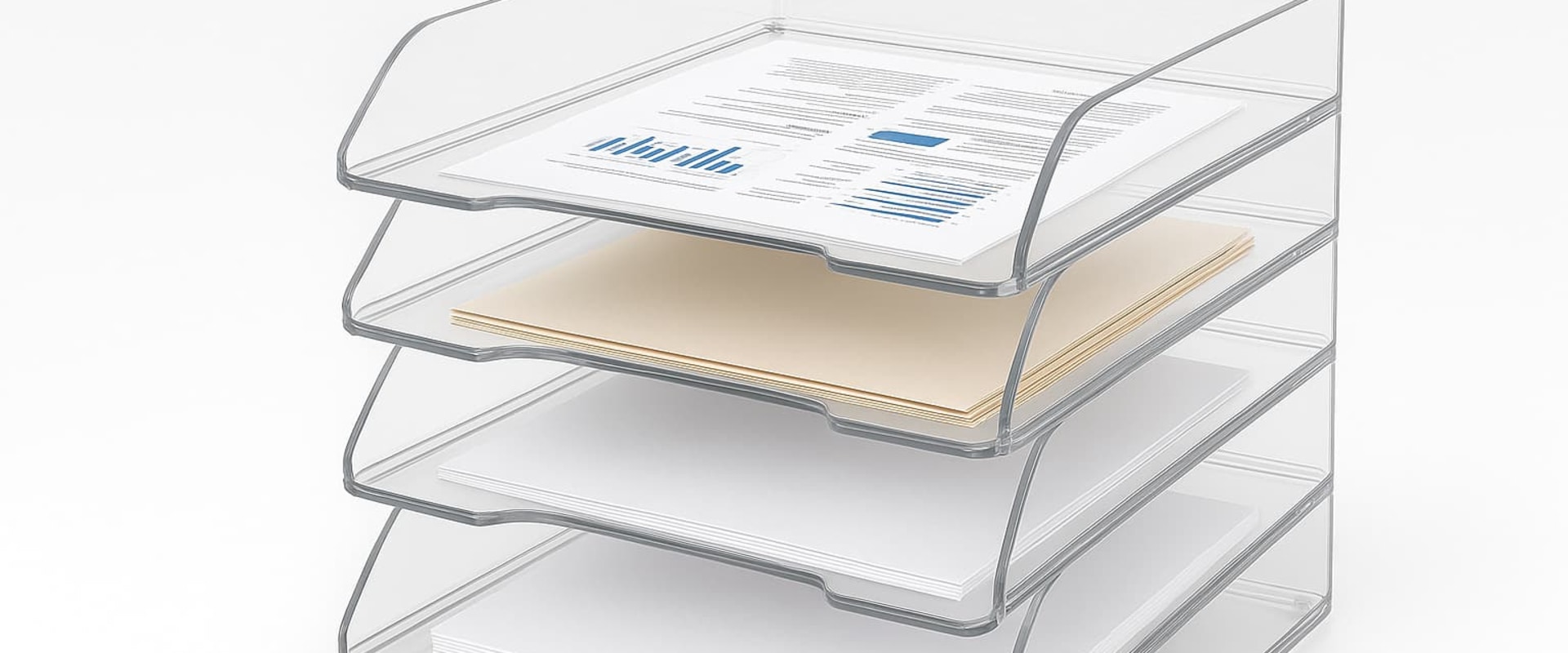
In the fast-paced world of finance and business, maximizing organization is crucial for ensuring that every detail is accounted for. One area where this is particularly important is in managing invoices. The ability to efficiently track, retrieve, and analyze invoices can make a significant difference in maintaining cash flow and overall operational efficiency. However, with the sheer volume of invoices that businesses handle, it can be easy to become overwhelmed by clutter. This is where using folders and labels effectively comes into play.
By implementing a structured approach to organizing your invoices, you can streamline your workflow, reduce stress, and enhance productivity. Imagine being able to locate any invoice at a moment's notice or categorize them in a way that provides clarity and insight into your financial operations. In this article, we will explore practical strategies for leveraging folders and labels to create a robust organizational system for your invoices. From digital solutions to physical filing systems, we will cover various methods that cater to different preferences and needs. Whether you are a small business owner, a freelancer, or part of a larger organization, these tips will help you take control of your invoicing process. Get ready to discover how effective organization can transform your invoicing experience and lead you to greater financial success!In today's fast-paced business environment, keeping track of financial documents can often feel like an overwhelming task.
Invoices pile up, deadlines loom, and the sheer volume of paperwork can lead to chaos rather than clarity. However, there is a solution that can transform this chaos into organized efficiency: using folders and labels effectively. This strategic approach not only simplifies the management of invoices but also enhances your overall productivity. Imagine opening your digital filing system and instantly finding the invoice you need, categorized and labeled in a way that makes sense. No more frantic searches or misplaced documents! By maximizing organization with folders and labels, you can streamline your invoicing process, reduce stress, and ensure that nothing falls through the cracks.
In this article, we will delve into practical tips and strategies for maximizing organization with folders and labels for invoices, empowering you to take control of your financial documentation. From selecting the right folder structures to designing intuitive labeling systems, we will guide you through each step of creating an organized invoicing system that works for you. Whether you are a freelancer managing your own invoices or part of a larger team handling multiple clients, these techniques will help you maintain clarity and order in your financial dealings. Get ready to unlock the potential of a well-organized invoice management system that not only saves time but also enhances your professional image. Let's dive in!Maintaining an organized system for managing invoices is vital for freelancers and small businesses. , empowering you to take control of your financial documentation. From selecting the right folder structures to designing intuitive labeling systems, we will guide you through each step of creating an organized invoicing system that works for you. Whether you are a freelancer managing your own invoices or part of a larger team handling multiple clients, these techniques will help you maintain clarity and order in your financial dealings. Get ready to unlock the potential of a well-organized invoice management system that not only saves time but also enhances your professional image. Let's dive in!Maintaining an organized system for managing invoices is vital for freelancers and small businesses.
The importance of organization cannot be overstated, as it directly impacts efficiency, productivity, and the overall success of your business.
Using folders and labels effectively
allows you to streamline your invoicing process, ensuring that you can quickly access important documents when needed. Without a proper organization system in place, you may face challenges such as lost invoices, missed payments, and unnecessary stress during tax season. When it comes to organizing invoices, one of the most effective methods is to create a folder structure that makes sense for your specific needs. This can be achieved by categorizing invoices by various criteria, such as client, date, or project type.For instance, if you categorize invoices by client, you can create a main folder titled "Invoices" and then subfolders for each client. Within each client's folder, you might have additional subfolders for different years or projects, enabling you to locate any invoice with minimal effort. An example folder structure could look like this:Invoices > Client A > 2023 > Project 1.This hierarchical approach not only helps in easy retrieval but also keeps your digital workspace tidy. Another effective way to structure your folders is by date. You could create folders for each year and then subfolders for each month within those years.
For example:Invoices > 2023 > January. This method is particularly useful if you need to track your income and expenses over time or prepare for tax filing. Additionally, categorizing by project type can help if you manage multiple projects simultaneously. You might have folders named "Web Design Invoices," "Consulting Invoices," or "Marketing Invoices," allowing you to find relevant documents quickly. In addition to folders, labels play a crucial role in enhancing the visibility and retrieval of invoices.
Labels can be applied both digitally and physically, making them versatile tools for organization. When using digital platforms, you can assign labels to invoices based on their status (e.g., "Paid," "Pending," "Overdue"). This makes it easy to filter and find specific invoices without having to search through multiple folders manually. Color-coding labels is another effective strategy for quick identification. For example, you might use green labels for paid invoices, yellow for pending invoices, and red for overdue ones.
This visual representation allows you to assess your invoicing situation at a glance and prioritize follow-ups accordingly. However, one common concern when choosing the right organization system is figuring out what works best based on individual needs or business size. A freelancer may have different requirements than a small business with multiple employees and clients. It’s essential to consider your workflow and how often you access your invoices when determining the best organizational structure. For some, a simple folder system may suffice, while others may benefit from more complex categorizations. Fortunately, there are numerous digital tools and software available that integrate folder and label functions specifically designed for invoicing.
Programs like QuickBooks, FreshBooks, or Zoho Invoice not only allow you to create an organized system of folders but also provide options for labeling and tagging invoices efficiently. These tools often come with additional features such as automated reminders for overdue invoices and easy reporting capabilities that further enhance your invoicing process. In conclusion, taking the time to set up an effective system using folders and labels can significantly improve your invoicing management. By organizing invoices in a way that suits your workflow—whether by client, date, or project type—you can save time and reduce stress when handling your finances. Incorporating labels, especially with color-coding strategies, enhances visibility and retrieval efficiency.
Ultimately, the right organization system will depend on your unique needs, but leveraging digital tools can simplify the process and keep your business running smoothly. Organization is a critical aspect of managing invoices effectively, especially for freelancers and small businesses. The **invoicing process** can become overwhelming without a systematic approach, leading to missed payments, lost documents, and increased stress. Utilizing **folders and labels** can significantly enhance efficiency by providing a clear structure that simplifies the retrieval and management of invoices. This article explores various methods of organizing invoices, emphasizing the importance of creating an effective folder structure and applying labels in both digital and physical formats. To begin with, establishing a well-thought-out **folder structure** is essential.
A good starting point is to categorize invoices by key criteria such as **client**, **date**, or **project type**. For instance, you might create a main folder labeled 'Invoices' and then subfolders for each client. Within each client's folder, you could have further subfolders organized by year or project name. For example, a folder structure could look like this: Invoices ➔ Client A ➔ 2023 ➔ Project X.
This not only helps in keeping documents neat but also makes it easier to locate specific invoices when needed. When naming folders, clarity is crucial. Effective folder names should be descriptive yet concise. Instead of vague labels like 'Miscellaneous', opt for specific terms such as 'Client A - Project X Invoices 2023'. This practice minimizes confusion and improves efficiency in the invoicing process.
Additionally, consider integrating date formats that facilitate chronological sorting, such as YYYY-MM-DD, ensuring that your folders are organized in a logical order. Next, let’s delve into the use of **labels**. Labels can enhance the visibility and retrieval of invoices whether used digitally or physically. In a digital environment, most file management systems allow you to tag files with relevant keywords or categories. This capability enables quick searches based on labels rather than navigating through multiple folders.
For instance, if you label invoices with terms like 'Paid', 'Pending', or 'Disputed', you can immediately filter your view to focus on specific needs without digging through each folder. For physical invoices, consider using color-coded labels to differentiate between categories at a glance. For example, using green for paid invoices, red for overdue ones, and yellow for pending can streamline your organization process significantly. Color-coding not only aids in quick identification but also adds an element of visual organization that can be particularly helpful during busy periods. Choosing the right organization system depends on individual needs or business size. Smaller businesses or freelancers may prefer a simpler system with fewer categories and folders, while larger companies might require more complex structures to accommodate various projects and clients.
It’s essential to customize your approach based on how you work best. Regularly reviewing and adjusting your folder and label system as your business grows will help maintain efficiency. Moreover, there are several digital tools and software available that integrate **folder** and **label functions** specifically designed for invoicing. Programs like QuickBooks, FreshBooks, and Wave provide user-friendly interfaces for organizing invoices effectively. These platforms often include features for tagging invoices with labels, creating custom folder structures, and even automating reminders for payments based on due dates.
Leveraging these tools can significantly reduce the time spent managing invoices while enhancing your overall organization. In conclusion, maximizing organization with **folders and labels** is vital for effective invoice management. By establishing a logical folder structure, utilizing labels strategically, and leveraging technology where possible, freelancers and small businesses can streamline their invoicing processes significantly. Taking the time to set up an efficient system not only saves time but also contributes to better cash flow management and overall business success.
Tools to Simplify Invoice Management
In the quest for effective invoice management, leveraging technology can significantly enhance organization and efficiency. There are numerous software solutions available that allow freelancers and small businesses to utilize folders and labels to streamline their invoicing processes. One popular option is invoice management software, which typically offers features designed specifically for organizing invoices.These tools often allow users to create custom folders for different clients or projects, making it easier to locate specific invoices when needed. Additionally, many of these platforms enable the use of labels to categorize invoices based on their status, such as 'paid', 'pending', or 'overdue'. This level of organization helps ensure that nothing slips through the cracks. Examples of such software include QuickBooks, which not only provides robust invoicing capabilities but also allows users to create folders for client invoices. Another example is FreshBooks, which offers tagging features that help users label their invoices effectively.
With these tools, freelancers can keep their financial records in order, thereby reducing stress and improving productivity. Moreover, some document management systems like Google Drive or Dropbox can be utilized for invoice organization as well. By creating dedicated folders within these platforms and labeling files appropriately, users can maintain a clear and accessible system for all their invoicing documents. The implementation of these software solutions not only aids in maintaining an organized invoicing system but also enhances overall workflow efficiency, allowing businesses to focus more on growth rather than administrative tasks. can be utilized for invoice organization as well. By creating dedicated folders within these platforms and labeling files appropriately, users can maintain a clear and accessible system for all their invoicing documents. The implementation of these software solutions not only aids in maintaining an organized invoicing system but also enhances overall workflow efficiency, allowing businesses to focus more on growth rather than administrative tasks.
Utilizing Labels for Quick Identification
In the world of invoicing, labels serve as a powerful tool for achieving quick and efficient identification of documents. When you implement a labeling system, you can categorize your invoices based on various criteria such as client name, project type, or due dates. This categorization not only streamlines the invoicing process but also enhances your overall organization. To create and apply labels effectively, start by defining the categories that are most relevant to your business.For instance, if you work with multiple clients, you might consider labels like "Client A", "Client B", and so on. Alternatively, you could use labels based on project phases such as "Pending", "Invoiced", and "Paid". This structure allows for quick visual identification of the invoice's status at a glance. Once you have established your labeling categories, apply them consistently across all invoices. Most digital invoicing tools or document management systems offer features that allow you to add labels easily.
You can usually find this option in the settings menu when creating or editing an invoice. Additionally, consider color-coding your labels. For example, you could use red for overdue invoices, green for paid ones, and yellow for pending payments. Color-coding not only makes it easier to spot invoices at a glance but also adds an extra layer of visual organization that can enhance your efficiency. Finally, regularly review and update your labels as your business evolves. This ensures that your labeling system remains relevant and continues to serve its purpose effectively.
By utilizing labels strategically, you can significantly improve your ability to manage invoices efficiently and maintain a high level of organization.
Creating an Effective Folder Structure
Establishing a well-organized folder structure is essential for maintaining efficiency in managing invoices. Here are key steps to create an intuitive system that allows for easy navigation:1.Assess Your Needs: Begin by identifying the types of invoices you handle. Are they categorized by client, project, or service type? Understanding your specific requirements will help you design a folder structure that meets your needs.2.Use Clear and Descriptive Names:
When creating folders, use clear and descriptive names that reflect their content. For instance, instead of naming a folder "Invoices 2023," consider a name like "Client Invoices - 2023" to provide clarity at a glance.3.Create Main Categories:
Develop main categories based on your assessment.This could include folders such as "Clients," "Projects," "Monthly Reports," or "Paid Invoices." These main categories will serve as the top-level structure for your folder system.
4.Implement Subfolders:
Within each main category, create subfolders for further organization. For example, under the "Clients" folder, you might have individual folders for each client, allowing you to store all related invoices in one place.5.Establish a Consistent Naming Convention:
Adopt a consistent naming convention for your invoices and folders. This could include the client's name, invoice number, and date (e.g., "ClientName_Invoice123_2023-10-01"). Consistency helps in quickly locating documents later.6.Regularly Review and Update:
Periodically review your folder structure to ensure it remains relevant as your business evolves.Remove outdated folders and reorganize as necessary to keep your system efficient.
7.Utilize Labels for Additional Organization:
In addition to folders, consider using labels or tags to further categorize invoices. This can help in sorting and filtering documents based on various criteria such as payment status or due dates. By following these steps, you can create an effective folder structure that enhances your ability to manage invoices efficiently, reducing stress and saving time in your invoicing process.Utilizing Labels for Quick Identification
In the fast-paced world of freelancing and small business management, the ability to quickly identify and access invoices is crucial for maintaining an efficient workflow.Labels
serve as a powerful tool in this regard, allowing users to categorize and prioritize invoices at a glance. By leveraging labels effectively, you can streamline your invoice management process significantly. To begin creating labels, first assess the categories that are most relevant to your invoicing needs.Common label types might include Client Name, Project Type, Status (such as Paid, Pending, or Overdue), or Date Range. Once you've identified these categories, you can proceed to apply them to your invoices. If you're using digital tools for invoice management, most platforms provide an option to create and customize labels easily. For instance, in software like QuickBooks or Google Drive, you can create color-coded labels that not only enhance visibility but also make it easier to group related invoices together. This visual differentiation allows for quicker identification when searching through multiple documents. When applying labels to your invoices, ensure consistency in naming conventions.
For example, if you choose to label invoices by Client Name, make sure to use the same format for every invoice associated with that client. This practice reduces confusion and enhances the reliability of your labeling system. Additionally, regularly review and update your labels as your business evolves. As new clients or projects arise, adjust your labels accordingly to maintain an organized system that reflects your current invoicing landscape. By implementing an effective labeling strategy, you will find that accessing specific invoices becomes much quicker and less cumbersome. This can lead to improved cash flow management and a more organized approach to your financial records.
Tools to Simplify Invoice Management
In today’s fast-paced business environment, managing invoices efficiently is crucial for freelancers and small businesses.One of the most effective ways to streamline this process is by utilizing software solutions that incorporate folders and labels. These tools not only enhance organization but also make it easier to locate and manage invoices when needed. Several software applications stand out in their ability to help users implement an organized invoicing system. For instance, tools like QuickBooks allow users to create custom folders for different clients or projects. This segmentation ensures that all related invoices are stored together, minimizing the time spent searching for documents. Another excellent option is Xero, which offers a labeling feature that lets you categorize invoices based on their status, such as 'Paid', 'Pending', or 'Overdue'.
This clear visual representation helps in tracking the financial health of your business at a glance. Additionally, FreshBooks provides an intuitive interface where you can easily organize invoices using both folders and labels, allowing for quick access and management. Users can sort invoices by date or client, making it simple to keep everything in order. For those who prefer a more customizable approach, Notion can be an effective tool. It allows you to create a tailored system of folders and labels that best fits your unique workflow. This flexibility can significantly enhance your invoicing process by making it more personal and efficient. Overall, leveraging these software solutions can transform the way freelancers and small businesses manage their invoices.
By implementing folders and labels, you can ensure that your invoicing process remains organized, efficient, and stress-free.
Best Practices for Invoice Organization
Maintaining an organized invoicing system is crucial for both freelancers and small businesses.Using folders and labels effectively
not only streamlines your workflow but also enhances your ability to retrieve important documents quickly. Here are some best practices to help you stay organized over time:1.Establish a Consistent Naming Convention: Create a clear and consistent naming system for your invoices. Include essential details such as the client’s name, invoice number, and date.This practice helps in easily locating specific invoices when needed.
2.Categorize by Client or Project:
Use folders to categorize invoices based on clients or projects. This organization method ensures that all related documents are stored in one place, making it easier to track payments and manage follow-ups.3.Implement Color-Coding:
Utilize color-coded labels for different types of invoices or statuses (e.g., paid, pending, overdue). This visual representation can save time by allowing you to quickly identify the status of each invoice at a glance.4.Regularly Review and Update:
Schedule regular reviews of your invoicing system to ensure it remains effective. Remove outdated invoices and reorganize folders as necessary to adapt to changes in your business operations.5.Utilize Digital Tools:
Consider using digital invoicing software that allows you to create, send, and store invoices electronically.Many platforms offer built-in organizational features such as folders, tags, and search functions that enhance efficiency.
6.Back Up Your Data:
Always back up your invoicing data regularly. Use cloud storage or external hard drives to ensure that your documents are safe from accidental loss. By implementing these best practices, you can maintain an organized invoicing system that not only saves time but also reduces stress related to financial management.Creating an Effective Folder Structure
Establishing a well-organized folder structure is crucial for managing invoices efficiently. By creating a system that is intuitive and easy to navigate, freelancers and small businesses can save time and reduce stress when searching for specific documents. Here are the steps to set up an effective folder system:1.Define Your Categories: Start by identifying the main categories that reflect your invoicing process.Common categories may include Clients, Invoices, Payments, and Receipts. This will provide a solid foundation for your folder structure.
2.Create Subfolders:
Within each main category, create subfolders to further organize your documents. For example, under the Clients folder, you might have individual folders for each client or project. Under the Invoices folder, consider organizing by year or month.3.Use Descriptive Folder Names:
Choose clear and descriptive names for your folders and subfolders.This will make it easier to locate files quickly. Avoid vague titles; instead, use specific terms that reflect the contents of the folder.
4.Implement a Consistent Naming Convention:
To maintain clarity, adopt a consistent naming convention for your invoices and related documents. For instance, you could use the format [Client Name]_[Invoice Number]_[Date]. This consistency will streamline your search process.5.Regularly Review and Update:
Schedule periodic reviews of your folder structure to ensure it remains effective as your business evolves.Remove outdated files and reorganize folders as necessary to keep your system efficient. By following these steps, you can create a folder structure that not only enhances your invoicing organization but also contributes to a more efficient workflow overall.
Best Practices for Invoice Organization
Maintaining an organized invoicing system is crucial for freelancers and small businesses to ensure efficiency and accuracy in their financial processes. By following these best practices, you can streamline your invoicing system and minimize the challenges associated with disorganization.1.Create a Consistent Folder Structure
: Start by establishing a clear and consistent folder hierarchy for your invoices. Consider organizing folders by client, project, or date. This will make it easier to locate specific invoices when needed.2.Use Descriptive Labels
: Implement a labeling system that uses descriptive tags for your invoices.Labels should include relevant information such as the client name, invoice date, and status (e.g., paid, pending). This will help you quickly filter and identify invoices at a glance.
3.Regularly Review and Update
: Schedule regular reviews of your invoicing folders and labels to ensure they remain relevant and effective. Remove outdated invoices that are no longer necessary, and update labels as needed to reflect any changes in your business or clients.4.Automate Where Possible
: Utilize invoicing software that allows for automation of certain tasks, such as sending reminders for unpaid invoices or generating reports on your invoicing history. Automation can save you time and reduce the likelihood of errors.5.Back-Up Your Data
: Ensure you have a reliable backup system in place for your invoices and related documents.Regularly back up your files to an external drive or cloud storage to prevent data loss due to hardware failure or accidental deletion.
6.Educate Your Team
: If you work with a team, it's essential to educate them about the organizational system you've implemented. Ensure everyone understands the folder structure and labeling conventions to maintain consistency across the board. By following these best practices for invoice organization, you can create a more efficient invoicing process that helps you stay on top of your finances and reduces stress associated with managing invoices. In conclusion, effective organization is crucial for managing invoices successfully. By using folders and labels, freelancers and small businesses can streamline their invoicing processes, ensuring that important documents are easily accessible and categorized. Throughout this article, we have explored how to create an effective folder structure, utilize labels for quick identification, and follow best practices for invoice organization.Additionally, we discussed various tools that can simplify invoice management. Implementing these strategies not only enhances efficiency but also helps reduce the stress associated with disorganized financial records. We encourage you to adopt these practices in your invoicing routine. Start today and experience the benefits of a well-organized invoicing system that saves time and minimizes headaches. In summary, this article has highlighted the critical role that organization plays in managing invoices efficiently. By creating an effective folder structure, freelancers and small businesses can streamline their invoicing process, making it easier to locate and retrieve important documents.
Additionally, the use of labels for quick identification significantly enhances the ability to categorize and prioritize invoices, saving valuable time during busy periods. We have also discussed best practices for invoice organization, emphasizing consistency and regular updates to your filing system. Moreover, leveraging various tools can simplify invoice management further, allowing you to focus more on your core business activities. Ultimately, adopting these practices not only improves your invoicing efficiency but also helps to reduce stress associated with financial management. We encourage you to implement these strategies in your business today for a more organized and less overwhelming invoicing experience.